
Choosing used cars with lowest depreciation helps protect your budget today and your resale value tomorrow. Depreciation is the silent cost of ownership, and picking models that hold value can save thousands over a typical ownership cycle. This guide breaks down which body styles and models tend to retain value, the sweet spot for age and mileage, and the features that boost resale. You will also find practical tips on inspections, financing, and ownership habits that slow depreciation. For model specific research, visit pages like best used sedans, best used suvs, and best used trucks. When you are ready to compare real cars, explore our used inventory and verify history, condition, and service records. Use this page as your playbook to buy smarter and keep more value in your driveway over the long term.
Low depreciation is the result of strong demand, dependable reliability, low ownership costs, and timeless features. Focus on clean history vehicles with documented service, desirable options, and mileage that fits your plans. Compare models with high owner ratings on pages like most reliable used cars and track market timing with used car price trends. These steps help preserve equity and reduce total cost of ownership.
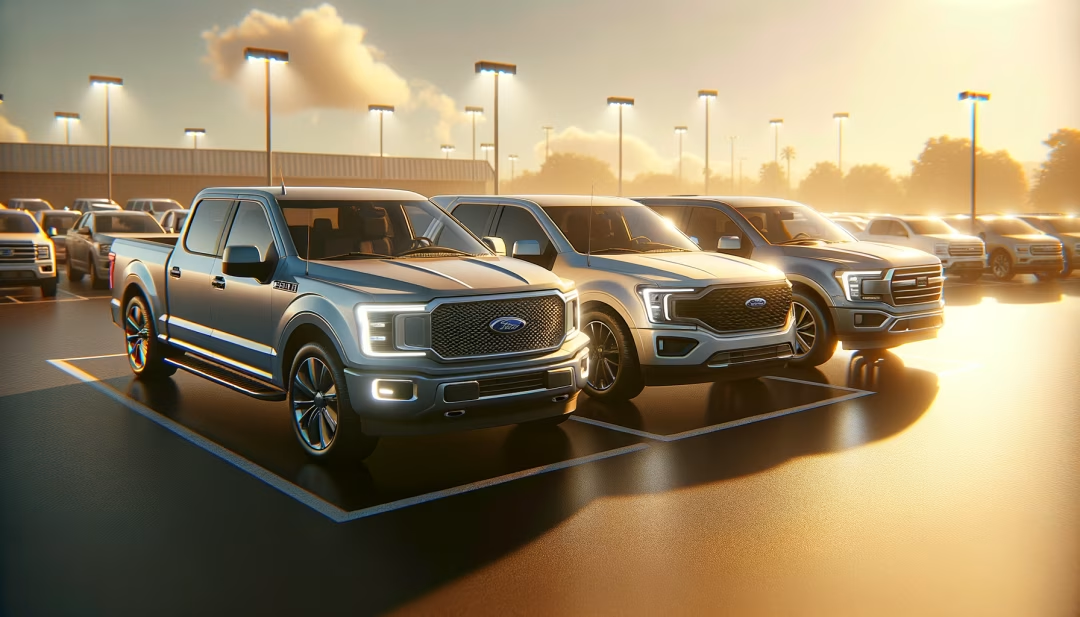
Depreciation is the difference between what you pay for a vehicle and what you can sell or trade it for later. All cars depreciate, but some depreciate far more slowly. The best low depreciation used cars combine proven reliability, wide demand, reasonable operating costs, and features buyers still want in three to five years. Choosing a slow depreciator can reduce your overall cost of ownership, keep your monthly budget steadier, and give you stronger options when you trade or sell. If you want a deeper dive into the math, see our used car depreciation guide and pair it with practical steps from used car buying checklist and how to buy a used car.
The strongest resale performers share traits like brand reputation, durability, low repair frequency, and broad appeal. While exact rankings change over time and region, the categories below are consistently known for slower depreciation.
Condition, mileage, options, and service history often matter as much as the badge. Always verify maintenance records and inspect for wear. For peace of mind, learn more about coverage on used car warranty guide and extended warranty for used cars.
Many buyers find the best mix of price and retained value at 3 to 5 years old with moderate mileage. At that point, the steepest new car depreciation has already occurred, but the vehicle still offers modern safety, tech, and efficient powertrains. Mileage targets vary by use, but a common range is 30,000 to 70,000 miles, provided maintenance is documented and the history is clean.
Start with a shortlist of models with strong demand and low ownership costs. Use our used inventory filters for mileage, features, and price bands, then compare each candidate with our used car buying checklist. Take a thoughtful test drive on mixed roads to assess ride, noise, braking, visibility, and driver assist behavior. If the vehicle meets your needs, consider an independent inspection, review the title, and estimate your resale horizon to confirm the numbers still make sense. For negotiation insights, visit how to negotiate a used car price.
What you do after purchase influences depreciation. Keep records of every service visit, fix small issues early, and maintain the vehicle to manufacturer intervals. Careful ownership enhances both reliability and resale appeal. If your plans include a future trade, review estimates on value my trade and resale strategies on used cars with best resale value. Lower running costs can also slow depreciation pressure, so explore used cars with lowest maintenance costs and used cars with lowest repair costs.
Financing structure can influence your equity position. Competitive rates and manageable terms help match depreciation with payoff. Review guidance on how to finance a used car, compare payment options, and check current used car loan interest rates. Shoppers can start with our secure applications. To protect value against unexpected events, consider coverage options in used car gap insurance explained and smart warranties in used car warranty guide. These choices can reduce risk that might otherwise force an early sale at a discount.
Market demand drives depreciation, and demand shifts by region. In many areas, compact and midsize SUVs lead for retention due to family friendly design, all weather traction, and cargo flexibility. Midsize pickups also hold value well due to durability and limited supply. Efficient sedans can match or exceed SUV retention in urban markets where fuel savings are prized. Review comparisons on best used suvs, best used sedans, and best used trucks. For winter climates, see best used vehicles for winter driving and best used awd vehicles.
Low depreciation and low cost of ownership go hand in hand. Buyers consistently reward vehicles that are reliable, efficient, and safe. High mpg reduces running costs, reliability lowers repair surprises, and top safety ratings broaden demand among families and commuters. Research models on most reliable used cars, used cars with high mpg, and used cars with best safety ratings. If you prefer low maintenance expenses, add best used cars with low maintenance costs to your reading list.
Timing your purchase can improve the deal and reduce future depreciation. Inventory cycles, interest rates, seasonality, and fuel prices all influence values. Learn how timing affects outcomes on when is the best time to buy a used car, monitor shifts on used car market trends, and follow pricing on used car price trends. If you are planning a trade, watch used cars with best resale value and local demand to decide the optimal moment.
Certain combinations make used buyers take notice. While personal taste matters, the following features usually help preserve value and speed up the future sale. Balance your preferences with the market to find the sweet spot.
Low depreciation strategies apply across price points. If you are shopping on a set budget, start with the most reliable models for that range, then filter for condition, maintenance, and desirable options. Explore budget focused lists like best used cars under 10000, best used cars under 15000, and best used cars under 20000. In many cases, slightly older but well cared for vehicles retain value better than newer options with spotty history.
Use these resources to round out your research, compare models, and plan ownership with confidence.
Our team is dedicated to transparent information and well curated vehicles that stand out for condition and value retention. Meet the people behind the process on meet our staff, learn more on about us, and view insights on our blog. For questions on a specific vehicle, reach out through contact us. Policies are available on privacy policy, terms, and visitor agreement.

